 By Admin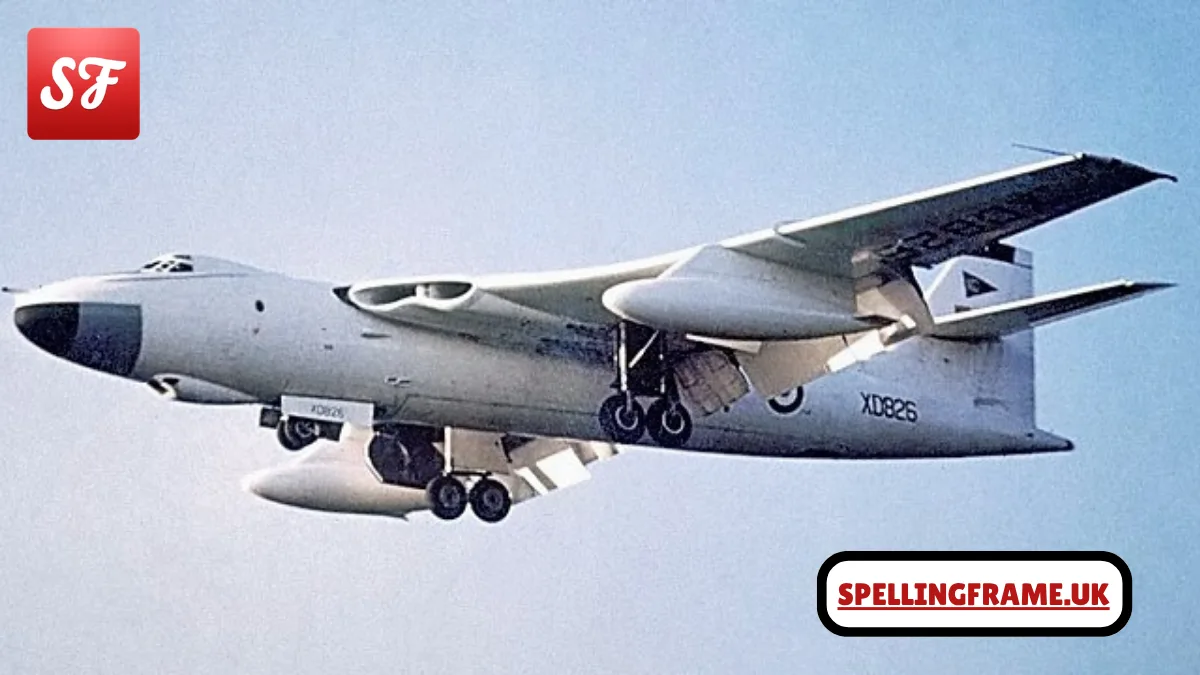
The valiant bomber stands as one of the most historically significant aircraft ever developed in British aviation, marking the beginning of the Royal Air Force’s nuclear age. Built during the early Cold War period, it symbolised Britain’s urgent need to modernise its air power and maintain strategic independence through advanced jet technology capable of delivering nuclear weapons with precision and reliability.
The valiant bomber aircraft formed the first operational member of the iconic V-bomber force, alongside the Victor and Vulcan. Designed to operate at high altitude and long range, it became a cornerstone of Britain’s deterrent strategy in the 1950s. Its introduction into RAF service represented a major shift in military aviation, transitioning from piston-engine bombers to sophisticated jet-powered strategic aircraft.
Development and design of the valiant bomber
The development of the valiant bomber was led by Vickers-Armstrongs under the direction of Sir George Edwards, who envisioned a new generation of strategic aircraft for post-war Britain. The primary objective was to create a platform capable of delivering nuclear weapons deep into enemy territory while maintaining high-altitude performance, speed, and survivability in an increasingly hostile global environment.
The valiant bomber aircraft featured a clean aerodynamic design with four Rolls-Royce Avon turbojet engines mounted in pairs under swept wings. Its structure prioritised stability and operational efficiency at altitude, making it one of the most advanced designs of its era. Unlike earlier wartime bombers, it was built for Cold War deterrence rather than conventional bombing campaigns, reflecting a new era of military aviation philosophy.
Operational role and RAF service history
The valiant bomber entered service with the Royal Air Force in the early 1950s and quickly became a vital component of Britain’s strategic nuclear force. Operated by RAF Bomber Command, it formed the backbone of airborne nuclear deterrence during a time of heightened geopolitical tension between East and West. Its presence alone was considered a powerful strategic message.
Beyond its nuclear mission, the valiant bomber also participated in conventional military operations, including the Suez Crisis. During this period, it demonstrated its operational flexibility and confirmed its role as more than just a nuclear delivery platform. However, its service life was relatively short compared to other aircraft in the V-bomber fleet due to later structural concerns.
Technical specifications and valiant bomber cockpit
The valiant bomber was powered by four Rolls-Royce Avon turbojet engines, providing impressive thrust for its time and enabling it to operate at high altitudes with long-range capability. It was designed to carry substantial payloads, including early British nuclear weapons, and could travel intercontinental distances without frequent refuelling, making it a powerful strategic asset.
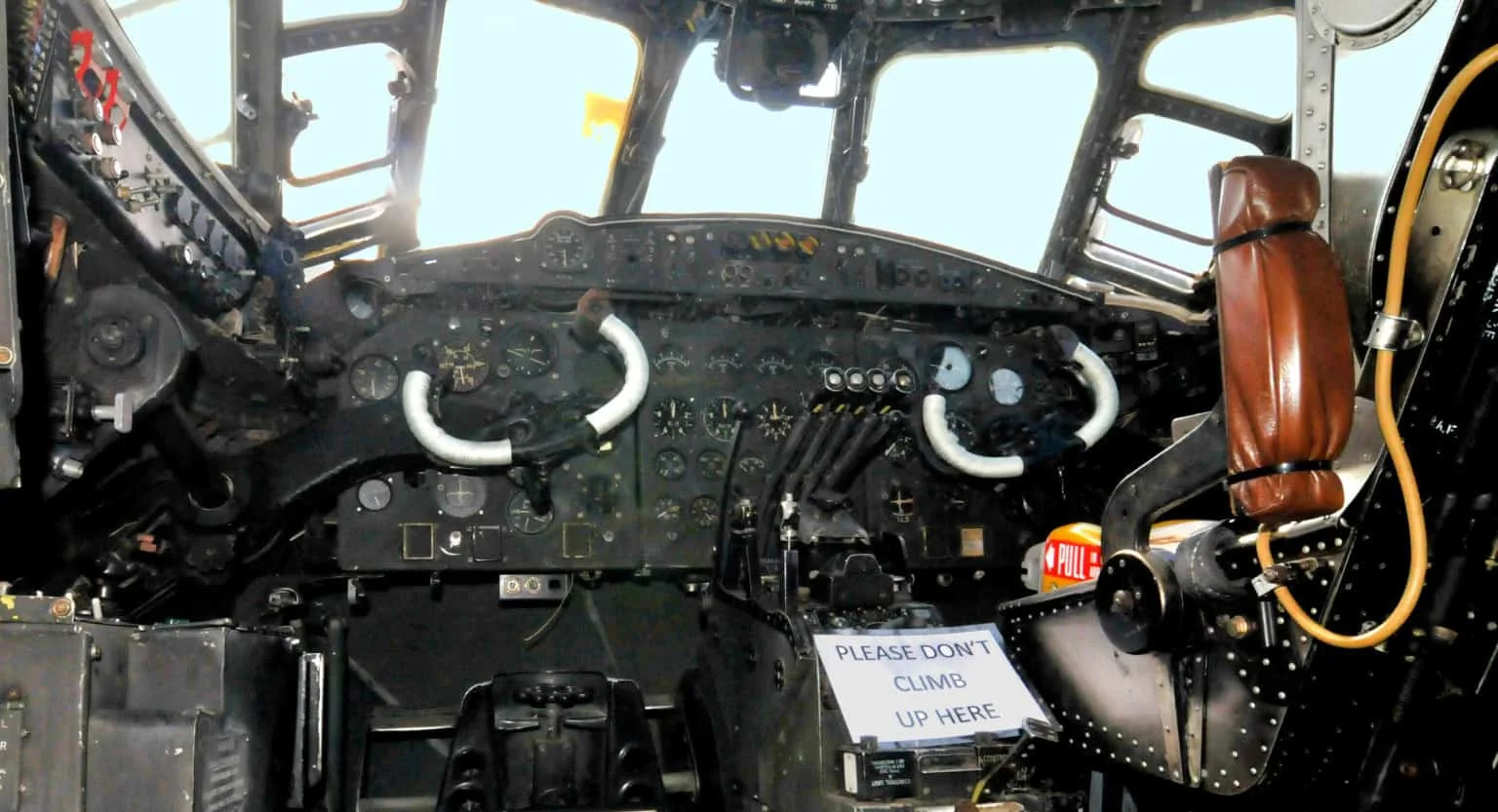
Inside the valiant bomber cockpit, the aircraft featured a complex multi-crew layout typical of 1950s jet bombers. The crew operated analogue instrumentation systems, managing navigation, altitude control, bombing systems, and communications. Coordination between crew members was essential, especially during high-altitude nuclear missions requiring precision and strict operational discipline.
Nuclear deterrence and Cold War importance
The valiant bomber played a crucial role in establishing Britain’s independent nuclear deterrent capability. It became the first RAF aircraft capable of delivering atomic and thermonuclear weapons, placing the United Kingdom among the world’s leading nuclear powers during the Cold War. Its operational readiness formed a key pillar of national defence strategy.
Strategically, the valiant bomber contributed significantly to NATO’s broader defence posture. It was not only a military asset but also a political tool, demonstrating Britain’s commitment to global security alliances. The aircraft helped shape Cold War deterrence theory, where the ability to respond decisively to threats was as important as actual combat deployment.
Valiant bomber crashes and structural challenges
Despite its early success, the valiant bomber later encountered serious structural fatigue problems that significantly impacted its operational lifespan. Engineers discovered cracking in the wing spars, a critical issue that raised concerns about long-term safety and durability. These findings ultimately led to the grounding of the fleet and early retirement from service.
Several valiant bomber crashes and incidents highlighted the severity of these structural weaknesses. Investigations into events such as the valiant bomber crash southwick contributed to a deeper understanding of metal fatigue in high-stress aircraft structures. These issues influenced future aircraft design standards and improved safety protocols within military aviation engineering.
Survivors, preservation and historical importance
Today, valiant bomber survivors are rare but preserved in select aviation museums across the United Kingdom. These preserved aircraft offer a tangible connection to Britain’s Cold War aviation history, allowing visitors to explore the engineering achievements and strategic importance of the V-bomber era firsthand.
Public interest in the valiant bomber remains strong, particularly among aviation historians and enthusiasts. Many preserved examples and archival displays include detailed reconstructions, technical documentation, and photographic collections. The valiant bomber pictures preserved in museums and online archives continue to support research and education about this important aircraft.
Valiant bomber model kits and cultural legacy
The valiant bomber continues to enjoy popularity within the aviation modelling community, where valiant bomber model kit products allow enthusiasts to recreate this historic aircraft in detailed miniature form. These models help preserve the aircraft’s legacy and keep interest alive among younger generations of aviation fans.
In addition to modelling, the aircraft has influenced military-inspired fashion, including the iconic valiant bomber jacket style associated with aviation heritage. Its cultural impact extends beyond engineering, representing a symbol of Cold War strength and British innovation in both historical and modern collector communities.
Conclusion
The valiant bomber remains one of the most important aircraft in British aviation history, representing the dawn of the nuclear age for the Royal Air Force. As the first V-bomber, it laid the foundation for Britain’s strategic airborne deterrent and demonstrated the nation’s ability to develop advanced jet-powered military technology during a critical period of global tension.
Although its operational life was shortened by structural issues, the valiant bomber left behind a lasting legacy. Its contribution to Cold War deterrence, aviation engineering, and military strategy ensures its place in history as a pioneering aircraft that helped shape the future of modern aerial warfare.
FAQs
What was the valiant bomber used for
The valiant bomber was primarily used as a nuclear-capable strategic bomber for the Royal Air Force during the Cold War, forming a key part of Britain’s airborne deterrent force.
Why was the valiant bomber retired early
It was retired early due to structural fatigue issues affecting the wing spars, which made continued operation unsafe and led to the grounding of the fleet.
Was the valiant bomber the first V-bomber
Yes, the valiant bomber was the first of the British V-bombers to enter operational service before the Victor and Vulcan.
Are there any valiant bomber survivors today
Yes, a small number of valiant bomber aircraft survive today in UK aviation museums as preserved Cold War exhibits.
What engines did the valiant bomber use –
The valiant bomber was powered by four Rolls-Royce Avon turbojet engines, giving it strong high-altitude performance.
What is the valiant bomber cockpit like
The valiant bomber cockpit features a multi-crew layout with analogue instruments typical of 1950s jet bomber technology.
What caused valiant bomber crashes
Structural fatigue, especially wing stress and cracking, was a major factor contributing to valiant bomber operational crashes and safety concerns.
Where can I see valiant bomber pictures and models
Valiant bomber pictures and model kits can be found in aviation museums, historical archives, and specialist collector communities.
Also Read: parkside colliery