 By Admin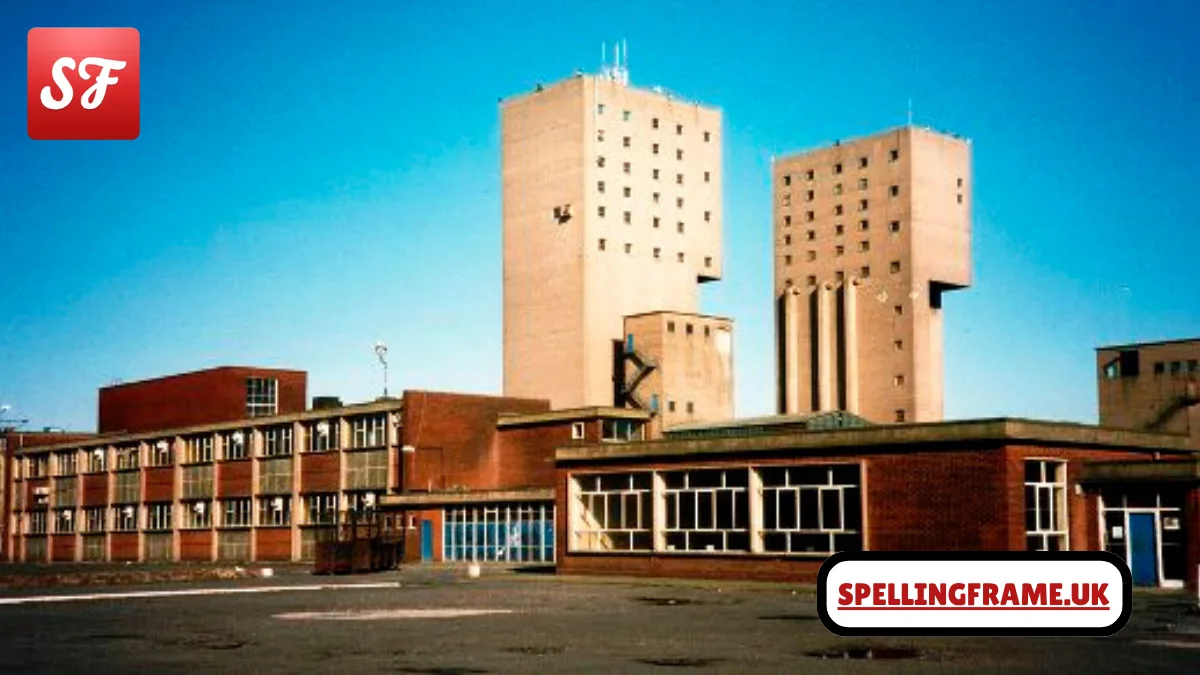
Parkside colliery stands as one of the most important industrial landmarks in the North West of England, deeply connected with the growth of coal mining during the twentieth century. Located in Newton-le-Willows, the site was developed during a period when Britain relied heavily on deep coal extraction to fuel homes, factories, and power stations. The story of parkside colliery reflects not only industrial ambition but also the strength of mining communities that supported national development for decades.
The importance of parkside colliery extends beyond its physical presence, as it became a symbol of employment, identity, and regional pride. From its construction phase in the 1950s through to its operational peak and eventual closure in 1993, the colliery played a central role in shaping the local economy. Even today, parkside colliery remains a key topic in discussions about UK industrial heritage and post-industrial regeneration.
Location and Strategic Importance of Parkside Colliery
Parkside colliery was strategically positioned in Newton-le-Willows, historically part of Lancashire and later incorporated into Merseyside. Its location was carefully selected due to its proximity to major transport routes, including rail and motorway networks. This allowed coal produced at parkside colliery to be distributed efficiently across the UK, making it a highly valuable asset in the national energy supply chain.
The surrounding region of parkside colliery included other mining areas such as Golborne, creating a wider industrial network of coal production. The accessibility of the site played a major role in its long-term success, as it reduced transportation costs and improved operational efficiency. Today, the same location is often referenced in relation to parkside colliery redevelopment planning and infrastructure projects designed to revitalise the area.
Development, Shaft Sinking and Early Construction
The development of parkside colliery began in the 1950s when Britain was investing heavily in modernising its coal industry. One of the most significant engineering phases was the shaft sinking process, which required advanced techniques and large-scale coordination. These early construction efforts laid the foundation for what would become one of the most modern collieries of its time.
As construction progressed, parkside colliery evolved into a fully operational deep mine with extensive underground networks. The engineering complexity involved in reaching deep coal seams highlighted the ambition behind the project. By the time production began, parkside colliery was already recognised as a highly advanced industrial site, capable of supporting large-scale coal extraction for decades.
Underground Operations and Mining Life
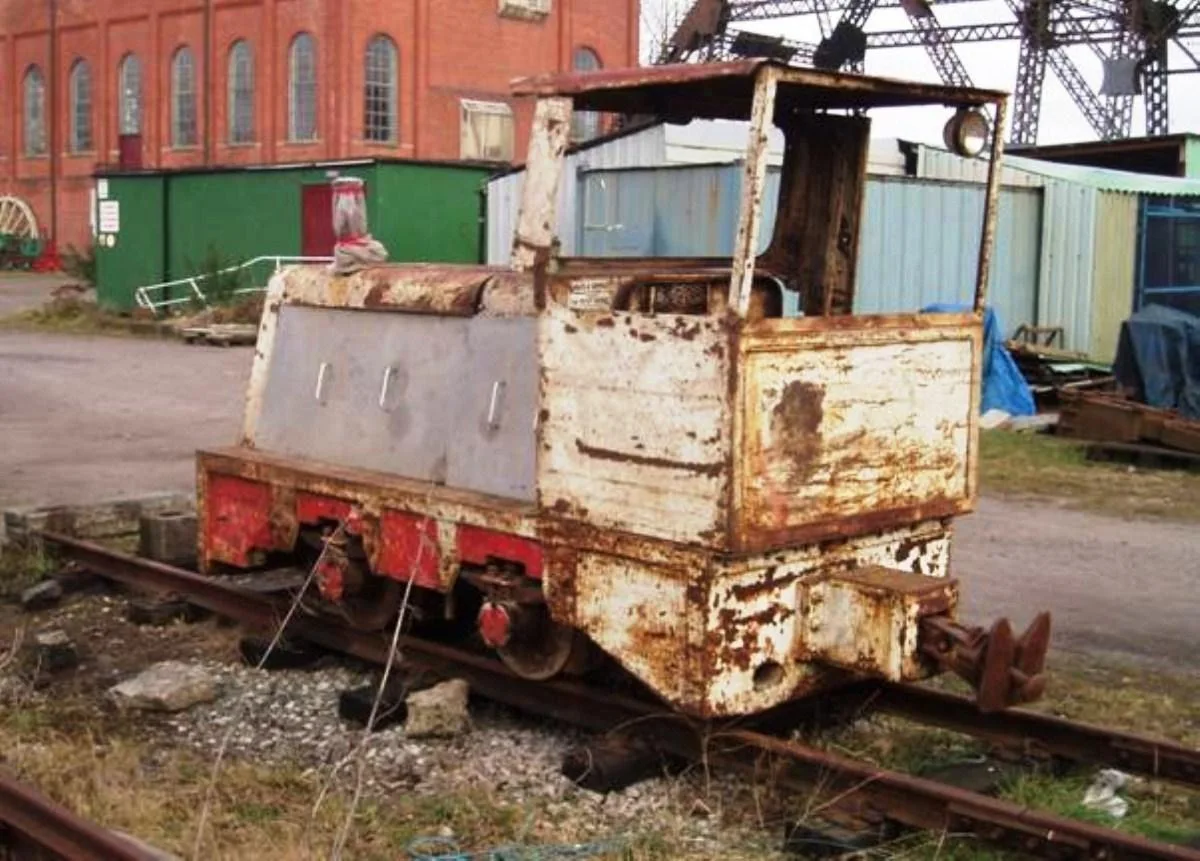
At the heart of parkside colliery were its underground operations, which formed the backbone of daily production. Miners worked in challenging conditions deep beneath the surface, using advanced machinery for coal extraction and transportation. Safety procedures and engineering systems were continuously developed to improve working conditions and maintain productivity within the underground environment.
Life working at parkside colliery was demanding but deeply rooted in community strength and teamwork. Many employees came from local families, with mining often passed down through generations. The underground workings of parkside colliery created not only economic value but also a strong sense of identity and solidarity among workers who shared the risks and rewards of mining life.
Workforce, Community and Cultural Identity
The workforce at parkside colliery played a vital role in shaping the social structure of Newton-le-Willows. Employment at the mine provided financial stability for thousands of families and supported local businesses across the region. The colliery became more than just a workplace; it became the centre of community life and local identity.
Cultural traditions linked to parkside colliery included social clubs, sporting activities, and musical groups such as the Parkside Colliery Male Voice Choir. These cultural elements reflected the pride and unity of the mining community. Today, memories, photographs, and archives of parkside colliery photos continue to preserve the heritage of those who worked and lived around the site.
Peak Production and Industrial Significance
During its operational peak, parkside colliery was considered one of the most productive coal mines in the region. It contributed significantly to the UK’s energy supply, producing large quantities of coal for industrial and domestic use. The efficiency of its underground systems and modern infrastructure made it a key part of national coal production strategies.
The industrial significance of parkside colliery extended beyond local employment, as it supported broader economic activity across the North West. Its output played a role in powering industries and supporting national infrastructure. Over time, however, changing energy demands and economic shifts began to challenge the long-term sustainability of deep coal mining operations like parkside colliery.
Closure of Parkside Colliery in 1993
The closure of parkside colliery in 1993 marked a major turning point in the history of UK coal mining. The decision was influenced by declining coal demand, economic restructuring, and broader changes in national energy policy. For the local community, the closure represented the end of an industrial era that had shaped generations of employment and identity.
Following the shutdown, parkside colliery underwent demolition and site clearance, with underground tunnels sealed and surface buildings removed. The impact of the closure was deeply felt across Newton-le-Willows, as many families lost their primary source of income. Despite this, the legacy of parkside colliery continues to be remembered as an important chapter in British industrial history.
Demolition, Land Reclamation and Site Transformation
After its closure, parkside colliery entered a long process of demolition and environmental restoration. The removal of infrastructure was carefully managed to ensure safety and prepare the land for future use. Over time, the site was transformed from an active industrial mine into a space suitable for redevelopment and regeneration projects.
The reclamation of parkside colliery land reflects broader trends in post-industrial Britain, where former mining sites are repurposed for modern economic activity. Environmental restoration efforts have also helped to improve the surrounding landscape. Today, discussions about parkside colliery link road and infrastructure development highlight its ongoing transformation.
Regeneration Plans and Future Development
Modern parkside colliery regeneration plans focus on creating new opportunities for employment and economic growth. The site has been identified as a key location for logistics, industrial development, and infrastructure improvement. These plans aim to replace the economic role once played by coal mining with modern industries suited to today’s economy.
Planning proposals for parkside colliery redevelopment planning continue to evolve, with emphasis on connectivity, investment, and job creation. The development of transport links and commercial zones is expected to bring long-term benefits to the region. This transformation demonstrates how parkside colliery is moving from industrial heritage to future-focused regeneration.
Heritage, Memory and Lasting Legacy
Although parkside colliery no longer operates, its legacy remains deeply embedded in local and national history. The memories of those who worked there, along with preserved photographs and historical records, ensure that its story continues to be told. Community heritage projects help maintain awareness of its importance in shaping the region.
The legacy of parkside colliery is also reflected in ongoing discussions about energy transition and industrial change in the UK. It serves as a reminder of the country’s reliance on coal and the communities that supported it. Today, parkside colliery stands as both a historical landmark and a symbol of transformation.
Conclusion
Parkside colliery represents a powerful chapter in British industrial history, reflecting decades of coal production, community development, and economic contribution. From its construction in the 1950s to its closure in 1993, it played a vital role in shaping Newton-le-Willows and the wider North West region.
Today, parkside colliery continues to influence regeneration efforts and heritage discussions, ensuring that its legacy remains alive. Its transformation from a working coal mine into a redevelopment site highlights the evolving nature of industrial landscapes in the UK and the enduring importance of remembering the communities behind them.
FAQs
What was Parkside Colliery?
Parkside colliery was a deep coal mine located in Newton-le-Willows that operated from the 1950s until its closure in 1993.
Where was Parkside Colliery located?
Parkside colliery was situated in Newton-le-Willows, in the North West of England, between Lancashire and Merseyside.
When did Parkside Colliery close?
Parkside colliery closed in 1993 due to the decline of the UK coal mining industry and reduced national demand for coal.
Why is Parkside Colliery important?
Parkside colliery is important because it played a major role in UK coal production and supported thousands of mining families for decades.
What happened to Parkside Colliery after closure?
After closure, parkside colliery was demolished and the land was cleared for regeneration and future development projects.
Are there any Parkside Colliery photos available?
Yes, historical parkside colliery photos can be found in archives, local history collections, and mining heritage websites.
What is happening at the Parkside Colliery site today?
The former parkside colliery site is currently part of regeneration plans focused on industrial and commercial redevelopment.
Was there a Parkside Colliery choir?
Yes, the Parkside Colliery Male Voice Choir was part of the strong mining community culture linked to the colliery.
Also Read: caxton cambridgeshire