 By Admin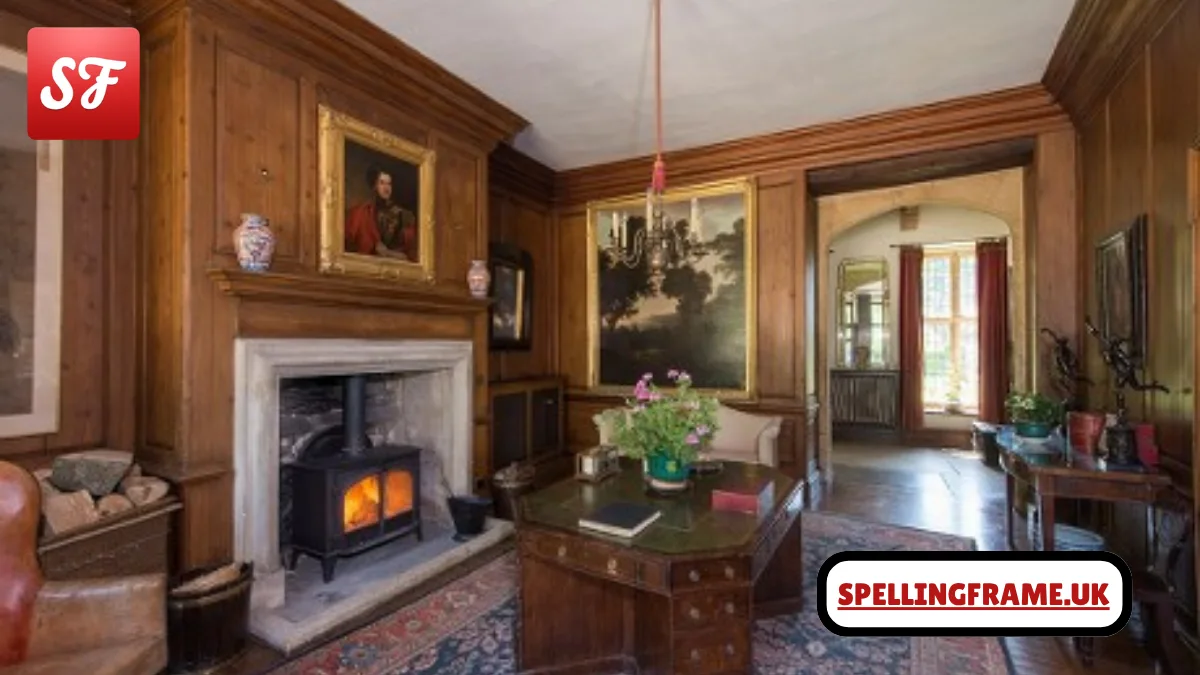
little sodbury manor stands as one of the most captivating historic estates in Gloucestershire, England, admired for its enduring Tudor heritage and remarkable architectural preservation. Nestled within the rolling countryside, little sodbury manor reflects centuries of English history, combining medieval foundations with later Tudor influences. Its Grade I listed status highlights its national importance and ensures its legacy is carefully preserved for future generations.
The charm of little sodbury manor lies not only in its structure but also in its deep historical narrative. From its 15th-century origins to its associations with significant religious and political figures, little sodbury manor offers a rare glimpse into England’s past. It continues to attract historians, architectural enthusiasts and property researchers who value its cultural and historical significance.
History of little sodbury manor
The origins of little sodbury manor can be traced back to the 15th century, when it was constructed as a fortified residence for influential local families. Built during a period of social and political change, little sodbury manor reflects the architectural style and defensive needs of medieval England. Over time, it evolved into a more comfortable residence while retaining its historical essence.
During the Tudor period, little sodbury manor gained greater prominence due to its connection with religious reform and intellectual development. It is widely believed that William Tyndale, one of the most influential figures in English Bible translation, spent time within its walls. This association elevates little sodbury manor beyond a country estate, positioning it as a site of cultural and religious importance.
Further developments throughout the 16th and 17th centuries shaped the manor into the structure seen today. Additions and alterations were made by successive owners, each contributing to its architectural identity. little sodbury manor therefore represents a layered history, where each era has left a visible mark on its design and heritage.
Architecture and design of little sodbury manor
The architecture of little sodbury manor showcases a fascinating blend of medieval craftsmanship and Tudor refinement. Built primarily from local stone, the manor features traditional design elements such as mullioned windows, steep roofs and prominent chimneys. These characteristics reflect the transition from fortified medieval homes to elegant Tudor residences.
Inside little sodbury manor, the layout reveals centuries of adaptation. Large fireplaces, exposed timber beams and thick stone walls create an atmosphere of historical authenticity. The interiors of little sodbury manor demonstrate how architecture evolved to meet changing domestic needs while preserving its original medieval framework.
The surrounding landscape further enhances the manor’s appeal. Gardens and open countryside views contribute to its serene setting, reinforcing its status as a historic English estate. little sodbury manor remains a striking example of how architecture and environment combine to create a lasting heritage landmark.
Ownership history of little sodbury manor
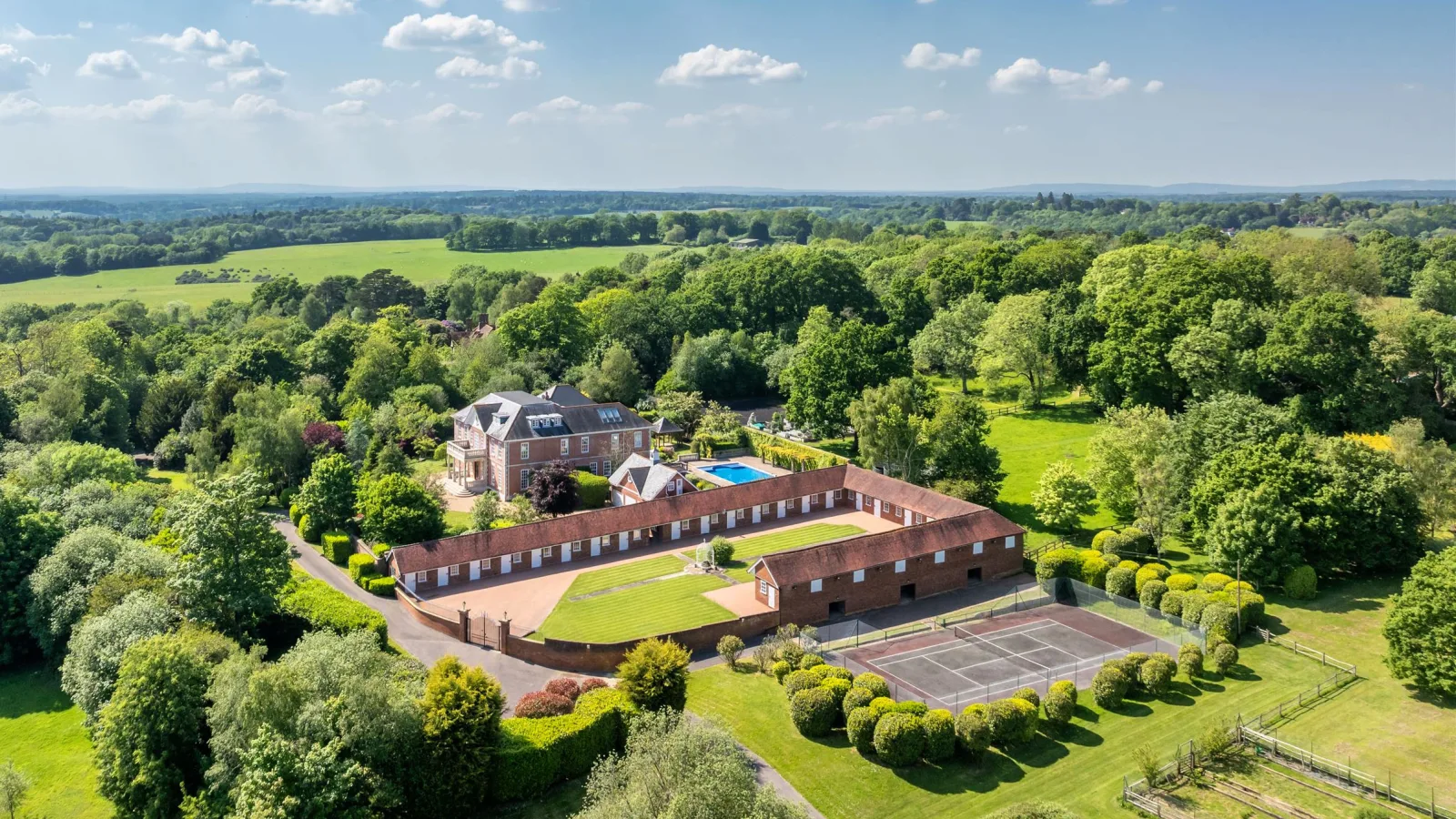
The ownership history of little sodbury manor is long and complex, involving several prominent families throughout the centuries. Initially held by influential landowners in Gloucestershire, the manor passed through generations, each leaving their mark on its development and preservation. These transitions helped shape the estate’s identity over time.
In modern discussions, interest often arises around who owns little sodbury manor today. Like many Grade I listed properties, it is privately owned and maintained with great care. The identity of the current owner is typically kept private, reflecting the exclusivity and sensitivity associated with historic estates of this nature.
Questions such as who bought little sodbury manor and historical ownership records continue to attract attention from researchers and enthusiasts. These details contribute to the mystery surrounding the estate, making little sodbury manor a subject of ongoing historical and cultural curiosity.
Market interest and sale history of little sodbury manor
The property market surrounding little sodbury manor is highly specialised, as Grade I listed manor houses rarely become available for sale. When they do, they attract significant interest from high-net-worth buyers, historians and conservationists. The rarity of such estates increases their value and desirability within the UK heritage property market.
Discussions about little sodbury manor for sale often generate public interest due to its historical importance. However, transactions involving such estates are usually discreet, with limited public information available. This confidentiality adds to the intrigue surrounding little sodbury manor, especially regarding past sales and ownership transitions.
Details such as the little sodbury manor sold price are often not publicly disclosed, which is common for heritage properties of this calibre. When sales do occur, they typically involve private negotiations and strict preservation agreements to protect the architectural integrity and historical significance of the estate.
Cultural and historical importance of little sodbury manor
little sodbury manor holds significant cultural value due to its connections with England’s religious and intellectual history. Its association with William Tyndale adds considerable historical weight, linking the estate to the early development of English biblical translation and the wider Reformation movement. This connection enhances its national importance.
As a Grade I listed building, little sodbury manor is legally protected due to its exceptional architectural and historical interest. This status ensures that any alterations are strictly regulated, preserving its original character. The preservation of little sodbury manor allows future generations to experience a tangible link to England’s medieval and Tudor past.
Beyond its historical associations, little sodbury manor also represents the broader evolution of English country houses. Its continued existence provides valuable insight into centuries of architectural development, social change and rural life in Gloucestershire. It remains an important symbol of heritage and continuity.
Conclusion
In conclusion, little sodbury manor stands as a remarkable example of England’s rich historical and architectural heritage. Its Tudor connections, medieval origins and Grade I listed status make it one of Gloucestershire’s most significant country estates. little sodbury manor continues to inspire admiration from historians, architects and heritage enthusiasts alike.
Ultimately, little sodbury manor is more than a historic building; it is a living narrative of England’s past. From questions about who owns little sodbury manor to interest in its sale history, the estate remains a subject of fascination. Its enduring legacy ensures that little sodbury manor will continue to hold a respected place in British cultural history for generations to come.
Frequently Asked Questions
Where is little sodbury manor located?
little sodbury manor is located in Little Sodbury, Gloucestershire, England, surrounded by the scenic Cotswolds countryside.
What is little sodbury manor famous for?
little sodbury manor is famous for its Tudor heritage, Grade I listed status, and its historical association with William Tyndale and English religious reform.
Who owns little sodbury manor today?
little sodbury manor is privately owned, and current ownership details are not publicly disclosed due to privacy and heritage property regulations.
Who bought little sodbury manor?
The manor has changed ownership several times through history, but recent buyers are generally not publicly identified.
Has little sodbury manor been sold recently?
There is no widely public record of a recent sale, as transactions involving little sodbury manor are usually private and discreet.
What is the sold price of little sodbury manor?
The sold price of little sodbury manor is not publicly available, as historic estate sales are often confidential.
Is little sodbury manor open to the public?
little sodbury manor is generally a private residence and is not regularly open to the public.
Why is little sodbury manor historically important?
little sodbury manor is historically important due to its Tudor-era connections and its link to William Tyndale and English religious history.
What architectural style is little sodbury manor?
little sodbury manor features a mix of medieval and Tudor architecture with later historic modifications.
Is little sodbury manor a listed building?
Yes, little sodbury manor is a Grade I listed building, meaning it is of exceptional national historic and architectural importance.
Also Read: helen mcginn husband