Spelling Frame: A Smart and Engaging Way to Master Spelling Through Games
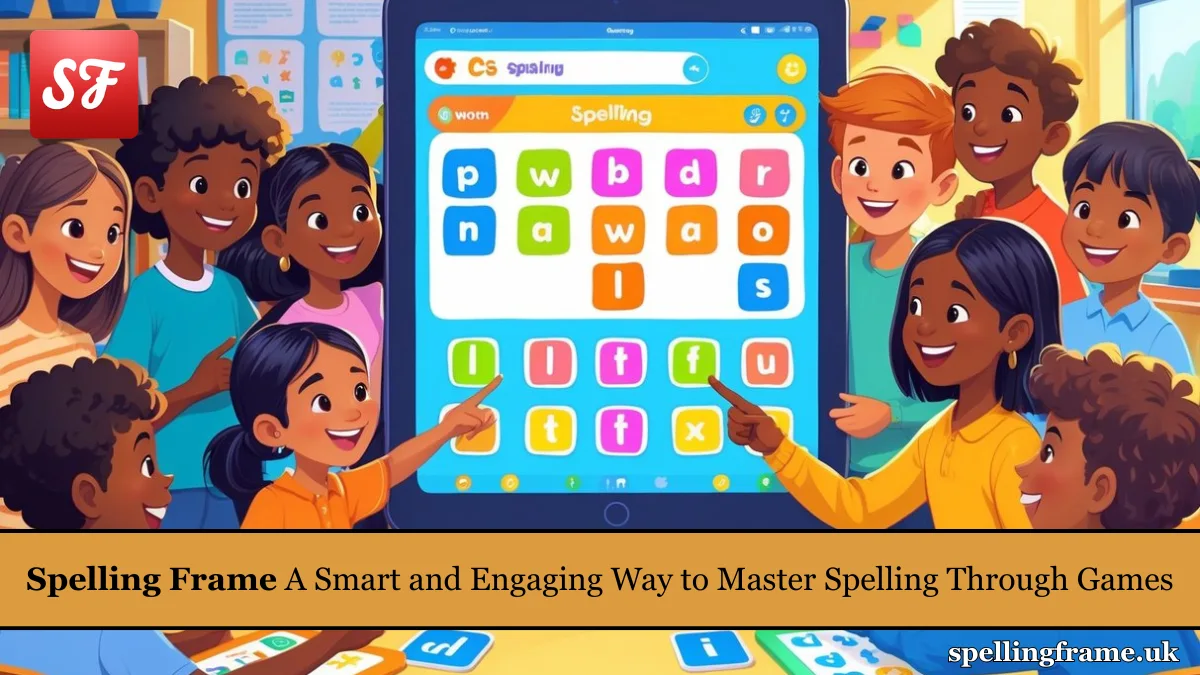
Spelling Frame is a modern digital learning platform created to help children improve their spelling skills in an enjoyable and interactive way. Designed especially for primary school learners, this platform removes the pressure often associated with spelling practice and replaces it with engaging games, structured challenges, and curriculum-based learning. Instead of memorising long word lists, children learn spelling rules naturally while playing.
Strong spelling skills are essential for reading fluency, writing confidence, and overall academic success. When spelling feels difficult or boring, children often lose interest quickly. Spelling Frame solves this problem by transforming spelling into a fun activity that children actually look forward to. Every game, rule, and activity is carefully aligned with the UK National Curriculum, ensuring that learning remains relevant, accurate, and effective.
Whether used by teachers in classrooms or by parents at home, Spelling Frame supports independent learning while building long-term spelling confidence. Its interactive approach helps children understand spelling patterns rather than simply guessing words, making learning more meaningful and long-lasting.
What Makes Spelling Frame Stand Out
Spelling Frame is not a basic spelling website—it is a complete learning system built to support children at different ability levels. It combines structured spelling rules with interactive technology to create a balanced and effective learning experience.
Interactive Spelling Games
At the heart of Spelling Frame is its collection of engaging spelling games. These games encourage children to apply spelling rules actively instead of passively memorising words.
- Games focus on phonics, spelling patterns, and word structure
- Children learn by doing, not just reading
- Instant feedback helps correct mistakes immediately
- Repetition feels enjoyable rather than repetitive
Because learning feels like play, children spend more time practising, which leads to faster improvement.
Structured Spelling Practice and Tests
Spelling Frame follows a clear learning pathway that helps children progress steadily. Each spelling rule is supported by targeted practice activities and simple assessments.
- Weekly spelling rules follow school learning plans
- Practice modes allow unlimited attempts
- Test modes help measure understanding
- Results help identify strengths and weak areas
This structured yet flexible approach ensures that no child feels rushed or left behind.
Designed Around the UK National Curriculum
All content on Spelling Frame is carefully mapped to the UK National Curriculum, making it suitable for classroom teaching and home learning alike.
Covered areas include:
- Early phonics and spelling foundations
- Common exception words
- Prefixes, suffixes, and word endings
- Homophones and confusing word pairs
- Silent letters and spelling variations
Because everything is curriculum-aligned, children practise exactly what they need to succeed in school.
Educator-Led Content Creation
Spelling Frame resources are created with real classroom experience in mind. The spelling rules and activities are designed by education professionals who understand how children learn best.
- Clear explanations using child-friendly language
- Gradual difficulty progression
- Focus on understanding rather than memorisation
- Suitable for independent or guided learning
This ensures quality, accuracy, and educational value across the platform.
Popular Spelling Frame Game Types
Spelling Frame offers a wide variety of game styles to keep learning fresh and exciting. Each game targets specific spelling skills while maintaining a playful environment.
Rule-Based Spelling Games
These activities focus on teaching spelling logic, such as adding endings or changing word forms.
- Encourages rule recognition
- Builds confidence with unfamiliar words
- Improves spelling accuracy in writing
Tricky Word Challenges
Some words don’t follow common rules. These games help children remember them correctly.
- Visual and repeated exposure
- Helps reduce common spelling mistakes
- Strengthens memory retention
Prefix and Suffix Activities
Children learn how words change when prefixes or suffixes are added.
- Expands vocabulary knowledge
- Improves reading comprehension
- Supports spelling and meaning together
Homophone Practice Games
These games teach children how to choose the correct word based on meaning.
- Improves sentence understanding
- Reduces confusion in writing
- Encourages careful thinking
By offering variety, Spelling Frame keeps children interested and motivated.
How Teachers and Parents Use Spelling Frame

Spelling Frame creates a strong connection between classroom learning and home practice.
Benefits for Teachers
Teachers rely on Spelling Frame to simplify spelling instruction and homework management.
- Easy to assign spelling activities
- Automatic feedback saves marking time
- Progress tracking highlights learning gaps
- Curriculum alignment reduces planning workload
This allows teachers to focus more on teaching and student support.
Benefits for Parents
Parents appreciate Spelling Frame because it removes stress from spelling homework.
- Children can practise independently
- Learning remains structured and consistent
- Immediate feedback supports improvement
- Parents can monitor progress easily
This makes home learning smoother and more effective.
Why Children Enjoy Using Spelling Frame
Spelling Frame is built around how children naturally learn and stay motivated.
Student-Friendly Advantages
- Learn at their own pace without pressure
- Correct mistakes instantly through feedback
- Gain confidence through repeated success
- Enjoy learning through game-based challenges
- Access learning on any device
When children enjoy learning, they practise more—and that leads to real improvement.
How Spelling Frame Supports Better Learning Results
Regular use of Spelling Frame leads to noticeable progress in spelling and literacy skills.
- Improved spelling test performance
- Greater confidence in writing tasks
- Better understanding of spelling rules
- Stronger reading and vocabulary skills
- Increased independence in learning
The platform supports different learning speeds, ensuring every child can progress comfortably.
Tips for Best Results with Spelling Frame
- Encourage short, regular practice sessions
- Focus on difficult spelling rules first
- Let children explain rules in their own words
- Mix online games with written spelling
- Celebrate progress to build motivation
These habits help children get the most value from the platform.
Conclusion
Spelling Frame offers a fresh, effective approach to spelling education by combining structured learning with interactive gameplay. It helps children understand spelling rules, practise confidently, and develop strong literacy skills without frustration. With curriculum alignment, engaging games, and teacher-designed content, Spelling Frame supports students, parents, and teachers equally.
For anyone looking to improve spelling skills while keeping learning enjoyable, Spelling Frame is a reliable and engaging solution that delivers real results.
Frequently Asked Questions
Is Spelling Frame suitable for home learning?
Yes, it is ideal for independent practice and homework support.
Which age group can use Spelling Frame?
It is designed for primary school children from Year 1 to Year 6.
Does Spelling Frame follow the UK curriculum?
Yes, all content aligns with the UK National Curriculum.
Can teachers track student progress?
Yes, progress tracking tools are available.
Is Spelling Frame accessible on mobile devices?
Yes, it works on computers, tablets, and smartphones.
Does Spelling Frame help struggling spellers?
Yes, its rule-based and game-focused approach supports learners of all levels.